
EPA Regional Meeting
Psychiatry in Action

On 28–30 October 2026, the European Psychiatric Association (EPA) held its regional meeting “Psychiatry in Action” in Naples. Here are short summaries of selected talks, from the future of the DSM, inflammatory depression and suicide prevention to lithium, addictions and artificial intelligence, along with highlights from the meeting of the EPA Council of National Associations.
The summaries are based on the speakers’ slides and do not replace the original presentations. The College of Private Psychiatry has been a member of the EPA since 2017.
Day 1 · 28 October
EPA Council of National Psychiatric Associations
A more active role for national associations
The meeting stressed that the Council’s work depends on the active involvement of national psychiatric associations. The Council has 46 members and meets twice a year, but few of them take an active part. The initiatives mentioned included 8 joint symposia in 2024–2025, meetings with 9 national associations, the Interact programme, surveys, webinars and workshops, to which associations are invited to contribute. A 2024 reform that enlarged the steering committee to five members was also recalled. Speakers pointed to growing demand for psychiatric care, insufficient funding and limited staff. The next meeting of national associations is planned in Brussels on 26–28 January; the programme is still to be confirmed.
Day 2 · 29 October
The role of precision psychiatry in clinical practice
Inflammation-based stratification for depression
Livia De Picker
Livia De Picker presented a proposed new DSM specifier, depression “with inflammatory features”, which has been submitted and is still under review. It combines a biomarker (hs-CRP ≥ 3 mg/L) with a characteristic clinical profile: fatigue, reduced motivation, increased appetite or weight gain, and sleep changes. Interpreting hs-CRP requires no fasting — a single daytime sample is enough. Raised inflammation predicts a weaker response to SSRIs and tricyclics. Anti-inflammatory add-ons appear to help only inflamed patients, but no stratified trial is yet definitively positive and they are not standard of care. Practical take-homes: targeted screening, tackling metabolic drivers through lifestyle, close monitoring with earlier escalation (favouring noradrenergic or dopaminergic agents when switching), and documenting symptoms with the IDS/QIDS.
From biomarkers to equity: rethinking precision suicidology
Philippe Courtet
Philippe Courtet argued for moving from static suicide-risk prediction to decisions tailored to each patient, by combining inflammation biology, suicide-specific clinical features and repeated real-time self-reports on smartphones (EMA). A PET study in depression found greater neuroinflammation in the anterior cingulate cortex of patients with suicidal ideation. A previous attempt remains the strongest predictor of a suicide attempt; with high ideation, anxiety was linked to repeat attempts and psychological pain to first attempts, while depression severity alone did not predict the transition to an attempt. These approaches still need prospective validation and build on a standard of care for everyone: safety planning, proactive follow-up and continuity of care. The conclusion: precision suicidology must be not only biological and predictive, but also clinical, contextual, narrative and equitable.
Evidence-based interventions for schizophrenia (EBI-SCZ): a living evidence map
Ana Catalán
Ana Catalán presented EBI-SCZ, a “living” umbrella review that brings together on an open platform 9,515 effect estimates from 236 systematic reviews and meta-analyses in schizophrenia, organised by phase: first-episode psychosis, acute phase, maintenance and treatment-resistant schizophrenia. Each meta-analysis is re-run, the certainty of evidence is graded with GRADE, and the data are updated as new trials appear, using the U-REACH framework already behind the ADHD and bipolar disorder platforms. Preliminary results show 49 interventions with a moderate- or high-certainty benefit: 31 antipsychotics, 15 psychosocial interventions and 3 other approaches (ECT, intermittent theta-burst stimulation and aerobic exercise); 18 of them improve both symptoms and the risk of relapse or hospitalisation. For antipsychotic-related weight gain, the most certain evidence supports adding semaglutide, metformin or topiramate. In her view, such a map is the necessary basis for the precision psychiatry recommended in the EPA guidance.
Plenary lecture 1
The evolving future of the DSM
Mark Rapaport · President of the American Psychiatric Association (APA)
In his plenary lecture, Mark Rapaport, President of the American Psychiatric Association (APA), outlined the direction of the next DSM. He recalled the main critiques of DSM-5: a narrow view lacking biopsychosocial context, reliability favoured over validity, categorical diagnoses for dimensional symptoms, heterogeneity and comorbidity as the rule, and no neurobiological measures. An APA strategic committee chaired by Maria Oquendo is leading the work. The future DSM should place disorders in their socioeconomic, cultural and environmental context, combine categorical and dimensional approaches, capture transdiagnostic symptoms, encourage longitudinal documentation and incorporate biomarkers once validated. The proposed model brings together four elements: diagnosis, transdiagnostic symptoms, contextual factors and biological data. Rapaport described the future DSM as a “living document”, to be updated with large datasets and AI, and invited the EPA and European teams to circulate the APA’s surveys, join its studies and share data.
Long-term stabilisation in mood disorders: focus on lithium
Lithium: an old drug with a bright future
Michael Bauer
Michael Bauer argued that lithium deserves priority in the maintenance treatment of bipolar disorder. Placebo-controlled trials show fewer manic and depressive relapses, and in 8 of 9 real-world observational studies (about 14,000 participants) lithium was associated with better outcomes than comparators. Yet US prescribing has declined while that of second-generation antipsychotics has risen sharply. He also addressed common myths: non-response when lithium is restarted affects about 17% of patients on average, the morbidity index remained broadly stable for up to 20 years in a 346-patient cohort, and monitoring requires 3–4 blood tests a year. In his view, about 20% of patients are excellent responders. His conclusion: myths about lithium must be dispelled and the drug presented accurately.
Mood stabilisers and lithium in patients with depressive disorders
Yuri Milaneschi
Yuri Milaneschi presented data on metabolic health and the bipolar spectrum. Depression and bipolar disorder share metabolic alterations, but their genetic links differ: the inflammation marker GlycA, for example, is genetically correlated with depression but not with bipolar disorder. In the Dutch NESDA cohort (3,348 people aged 18–65, median follow-up 14 years), 8.6% of participants with a depressive disorder later had a (hypo)manic episode. In the joint model, risk was associated with depression severity and comorbid anxiety, but not with metabolic markers after correction for multiple testing; antidepressant use was not associated with higher risk in this analysis. These are associations, not individual predictions.
Clinical predictors of lithium response
Delfina Janiri
Delfina Janiri reviewed clinical, psychopathological and neurocognitive predictors of response to lithium. The prophylactic effect of lithium in bipolar disorder compares well with established treatments in other fields of medicine, such as metformin in diabetes or methotrexate in rheumatoid arthritis. Better response was seen with a mania/hypomania–depression–free interval (MDI) sequence of episodes and with higher hyperthymic and irritable temperament scores, while childhood abuse — emotional, physical and sexual — was more frequent among non-responders. These are observational associations that do not allow individual prediction.
Plenary lectures 2–3
Social psychiatry today: what are we still missing?
Dinesh Bhugra
In his plenary lecture, Prof. Dinesh Bhugra recalled the difference between disease, as medicine sees it, and illness, as the patient lives it: doctors investigate and manage diseases, while patients seek to manage their illness, whose idioms of distress are culturally shaped. He urged clinicians to see the patient within several layers — personal, family and community, social and cultural — and from a wider, “cosmo-centric” perspective (the “overview effect”). Mental health is also shaped by political, economic, commercial (tobacco, alcohol, gambling, ultra-processed food, social media), geographical and climate determinants. Disasters drive migration, with migrants at higher risk, while welfare states, higher public-health spending and lower inequality go with better self-rated health.
Evidence-based suicide prevention from public health and clinical perspectives
Danuta Wasserman · Karolinska Institutet, Stockholm
In her plenary lecture, Danuta Wasserman (Karolinska Institutet, Stockholm – WHO Collaborating Centre; former President of the World Psychiatric Association) reviewed current knowledge on suicide prevention. More than 767,000 people died by suicide worldwide in 2023; since 2000, age-standardised rates have fallen by 36% globally and by 41% in the European region. Among 15–19-year-olds, suicide is the second leading cause of death in girls and the fourth in boys. The strongest evidence supports restricting access to lethal means, universal school-based prevention, pharmacological and psychosocial treatment, and continuity of care. The relationship with the patient and keeping in contact are central: a brief intervention with follow-up contacts (BIC) significantly reduced suicide deaths. The media carry responsibility too: coverage of a celebrity’s suicide is associated with a 13% rise in suicides.
Satellite symposium: rethinking acute schizophrenia care
RESHAPE study: global insights for clinical practice
Christoph U. Correll
Christoph U. Correll showed that most patients seen in routine care would not qualify for clinical trials, and respond less often or later. In the STAR*D citalopram cohort, 77.8% would have been ineligible, with lower response (39.1% vs 51.6%) and remission (24.7% vs 34.4%). In Finnish and Swedish schizophrenia registers, close to 80% would also be excluded — because of co-treatment, somatic illness, substance use, a past suicide attempt or treatment resistance. Every study design has its own biases and none is sufficient alone: randomised trials need to be complemented by real-world studies such as RESHAPE.
RESHAPE: from clinical response to patient-centred outcomes
Antonio Vita · University of Brescia
Antonio Vita (University of Brescia; President of the Italian Society of Psychiatry) presented RESHAPE, a non-interventional real-world study of 275 patients from five European countries, hospitalised for an exacerbation of schizophrenia and treated with risperidone ISM. Symptoms (PANSS-6) and illness severity (CGI-S) improved significantly from day 8, and personal and social functioning (PSP) rose by 17.6 points by day 28. Side effects were mostly mild or moderate; 4% of patients stopped treatment because of them. At the end of the study, 78% were satisfied, against 45% with their previous antipsychotic. Without a control group the study cannot show causal effects, but it illustrates how real-world data and patient-reported outcomes complement clinical trials.
From promise to risk: bias and inequality in AI-based mental health
Age-related biases: from digital ageism to AI use in youth mental health
Laura Orsolini
Laura Orsolini examined the promise and limits of artificial intelligence in mental health through the lens of age. In adolescents and young adults, a meta-analysis of randomised trials found that chatbots produce small-to-moderate reductions in psychological distress, depressive symptoms, anxiety and stress, although the certainty of evidence is often low or very low. Qualitative data suggest that apps combining real-time monitoring and support (EMA/EMI) help young people recognise and regulate their emotions. Beyond 65, evidence is scarce: a 2026 scoping review included only two studies. The central risk is that innovation widens health inequalities. Priorities: representative data, co-design with users of all generations, and long-term trials.
Esketamine in treatment-resistant depression
Esketamine nasal spray in a high-volume European outpatient clinic: translating evidence into practice
Lucie Bartova · Medical University of Vienna
Lucie Bartova (Medical University of Vienna) presented the experience of the specialised outpatient unit for treatment-resistant depression at the Vienna General Hospital (AKH). Before induction, the indication is confirmed and pseudo-resistance excluded, rating scales are completed (MADRS, PHQ-9), and blood pressure, blood tests (including plasma levels and pharmacogenetics) and a urine drug screen are checked. The recommended scheme is two sessions a week for four weeks, one a week for the next four weeks, then one every one or two weeks for at least six months, alongside the oral antidepressant; the benefit is assessed at the end of weeks 4 and 8. Sessions take place in a quiet room with eight places, blood pressure monitoring, pulse oximetry and emergency equipment; examples of treatment in private psychiatric practices in Austria were also shown. Among the 176 patients of the induction phase (enTRD registry data published in 2026; mean age 41, a median of five previous adequate antidepressant trials), the MADRS score fell significantly from a mean of 31.5 (p < 0.001) and 85% improved in a clinically relevant way. At patient level, 34.7% had at least one adverse event (blood pressure-related 10.2%, dissociation reported as an adverse event 9.7%, sedation 3.4%), and 3.4% stopped treatment because of one. Dissociation is very common, mostly experienced positively and varies between patients and sessions; according to the speaker, it should be interpreted primarily as a side effect, and clear information for patients and staff substantially influences the course of treatment. These are observational data without a control group. Bartova disclosed fees and travel grants from several companies, including Janssen (Johnson & Johnson), which markets esketamine.
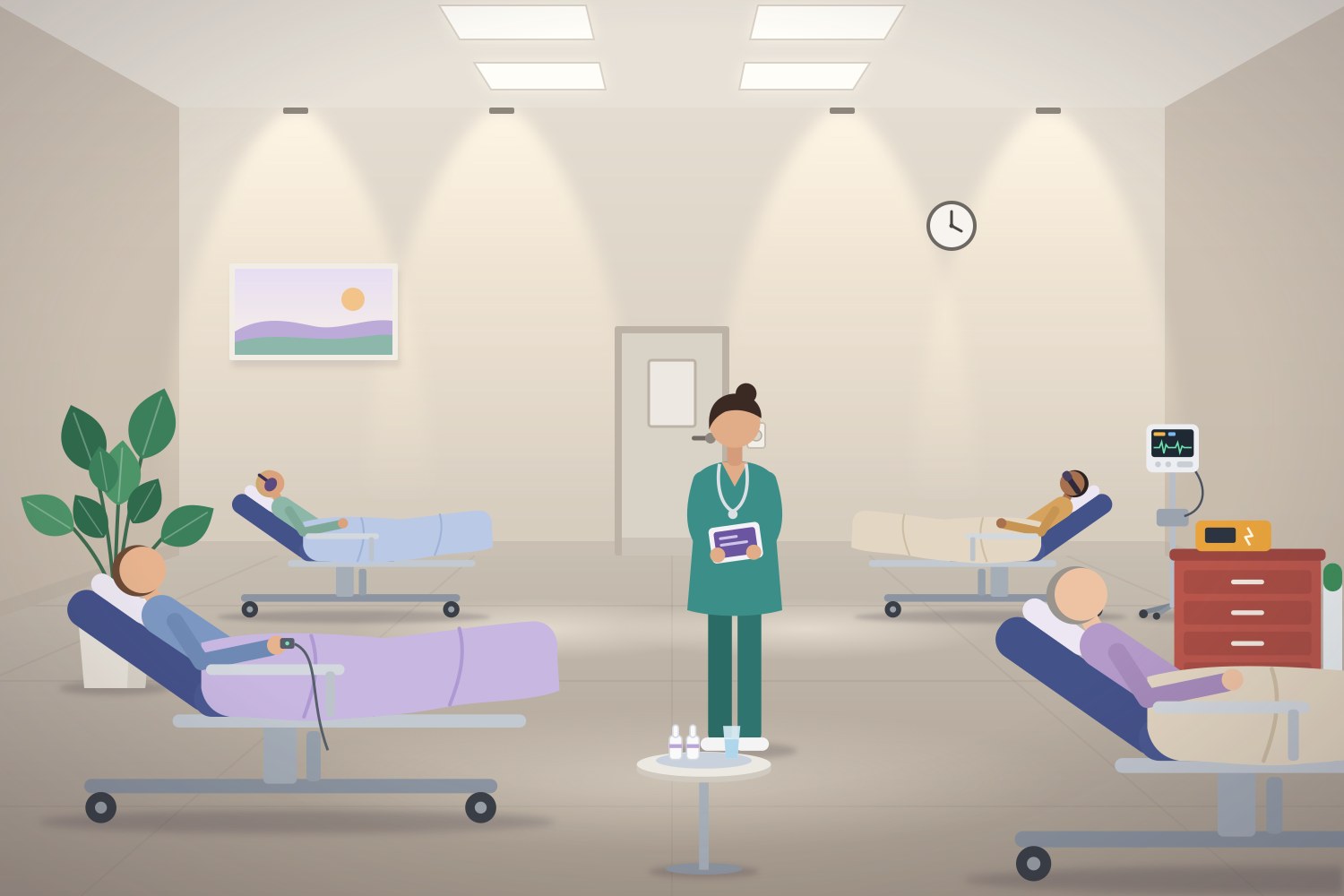

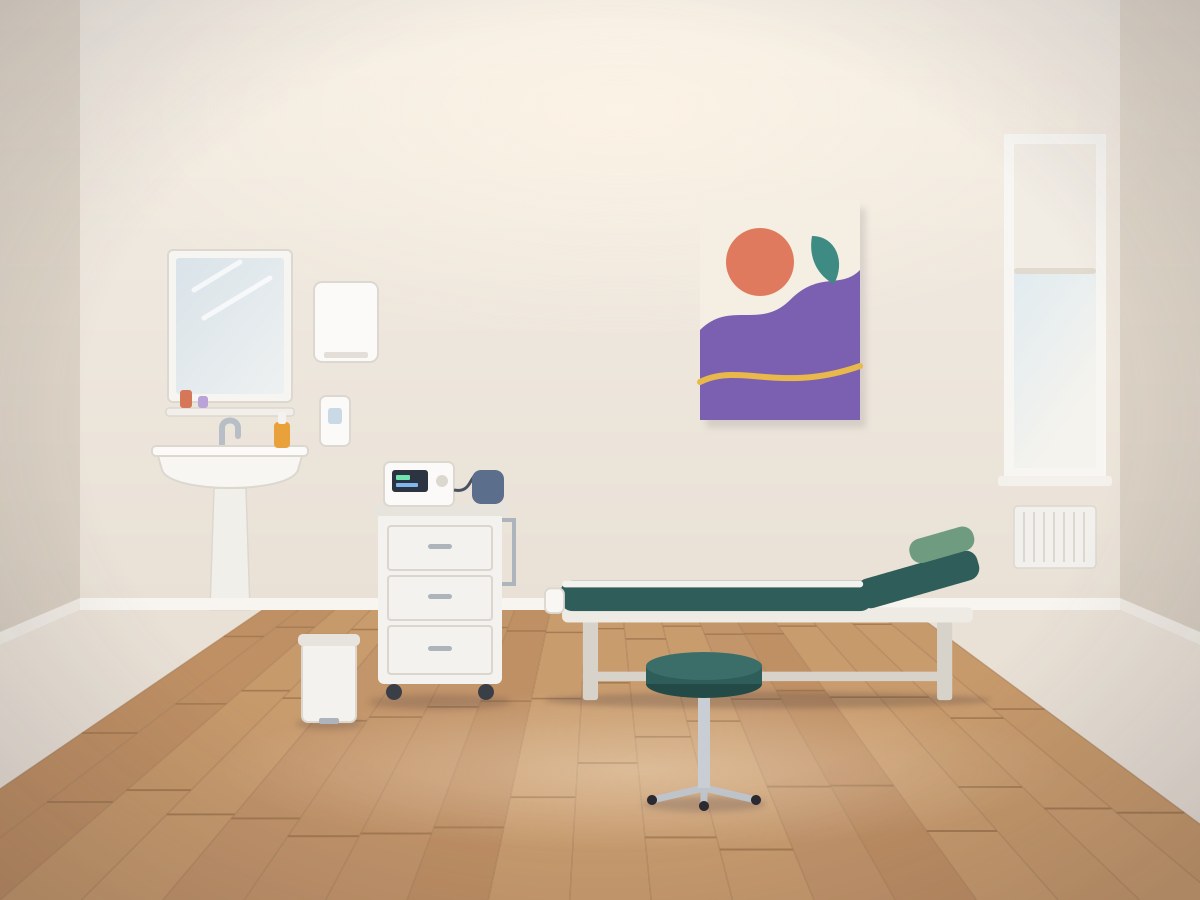

Illustrations based on Lucie Bartova’s presentation
Day 3 · 30 October
The role of new addictions in psychiatry
The changing concept of addiction
Geert Dom
Geert Dom examined how addiction medicine is changing: knowledge and treatment options are diversifying, and the challenge is to turn them into coherent care for patients with co-occurring psychiatric and physical disorders, in a social environment that strongly shapes outcomes. He warned against overusing the word “addiction” and proposed looking at explanatory models in interaction, with an emphasis on transdiagnostic dimensions. A meta-analysis of six psilocybin trials in alcohol use disorder shows short-term reductions in drinking, while about one in three patients with cannabis-induced psychosis later receive a schizophrenia-spectrum diagnosis. Dom also called for consistent outcome criteria — 251 papers on relapse in alcohol use disorder used 101 different definitions — and for attention to “recovery capital”: social support, work and housing.
Addiction and gender
Francina Fonseca
Francina Fonseca showed that differences in addiction are at once biological, social and a matter of actual access to care. The gap in substance use between women and men is narrowing, yet only about one in four people in drug treatment in Europe is a woman. Psychiatric comorbidity — mood and anxiety disorders, PTSD — is more frequent among people who use substances, and more so in women. Alcohol is more toxic for women, and the effects of cocaine vary with the phase of the menstrual cycle. Women face additional barriers: greater stigma, the maternal role, fear of losing custody, and a partner’s violence or drug use. Among LGBTIQ+ people, problematic use and co-occurring disorders are more common and data remain scarce. Her conclusion: sex and gender should be built into research, assessment and treatment, avoiding reductionism.
Digital addictions
Laura Orsolini
Laura Orsolini stressed that heavy screen time is not in itself an addiction: assessment should look for loss of control, the psychological function of the use and its everyday consequences. Gaming disorder is recognised in ICD-11, while DSM-5-TR lists internet gaming disorder only as a condition for further study; smartphone and social-media use have no diagnostic category. A 2022 meta-analysis estimated problematic use at about 27% for smartphones, 17% for social media and 6% for gaming — figures that are not clinical diagnoses. Boredom, loneliness, impulsivity, ADHD and emotion-regulation difficulties cut across these forms. Treatment starts with cognitive behavioural therapy (especially in groups) and psychosocial approaches, with physical activity and family involvement; evidence for medication concerns only co-occurring disorders, such as methylphenidate for ADHD. The goal is chosen use — digital well-being — not simply less screen time.
Digital integrated stepped-care education in mental health for Ukraine
Sergiy Bogdanov · NaUKMA, Kyiv
Sergiy Bogdanov (Centre for Mental Health, National University of Kyiv-Mohyla Academy) presented DIGI-STEP MH 4 U, an educational project that brings training in digital stepped mental health care into master’s programmes. It responds to the needs of displaced people, veterans and others affected by the war in Ukraine. The starting point: online courses spread knowledge but rarely demonstrate changes in practice — in one self-paced online mhGAP course for physicians, 57% of participants dropped out. The project therefore combines blended learning, simulated cases, competence assessment and data-informed supervision across the whole pathway: screening, risk-based triage, intervention and outcome monitoring. It is coordinated by the Medical University of Vienna, with partners in Ukraine, Finland and Germany.
Satellite symposium: brain health — a neuropsychiatric perspective
The future of brain health in Europe: towards a needed partnership
Paul Boon · Ghent University, Belgium
Prof. Paul Boon (Ghent University and Ghent University Hospital, Belgium) stressed that depression affects about one in three people with a neurological disease — between 20% and 50% depending on the condition (Parkinson’s disease, multiple sclerosis, Alzheimer’s disease, stroke, epilepsy, migraine) — and is linked to greater disability, poorer recovery, lower quality of life and higher mortality. The two groups of disorders share biological pathways: neurotransmission, the stress axis, neuroinflammation and neuroplasticity. In epilepsy the link runs both ways: psychiatric disorders are more frequent both before and after onset. He called for early screening with validated tools (such as the NDDI-E in epilepsy), clinical confirmation, attention to the mood effects of some antiseizure drugs, and joint work between neurologists, psychiatrists, psychologists and primary care.
Depression during the course of neurological diseases: the role of trazodone
Siegfried Kasper
Siegfried Kasper discussed choosing an antidepressant according to the symptom profile, the neurological condition and tolerability. Trazodone acts in a multimodal, dose-dependent way: at low doses it mainly blocks 5-HT2A, α1 and H1 receptors, while at antidepressant doses (≥ 150 mg/day) it also inhibits the serotonin transporter. An analysis of a randomised trial showed earlier improvement in sleep and cognitive symptoms than with placebo; against venlafaxine XR, trazodone was ahead at day 7 but venlafaxine was ahead at day 56. It was presented as an option in dementia with insomnia, anxiety or agitation and in Parkinson’s disease with predominant insomnia, but disease-specific evidence is limited: a 2026 systematic review found 14 studies, mostly in dementia. The slides carry the Angelini Pharma logo, and the European Delphi consensus cited was funded by the company.
Naples in pictures






Official meeting website: europsy.net